
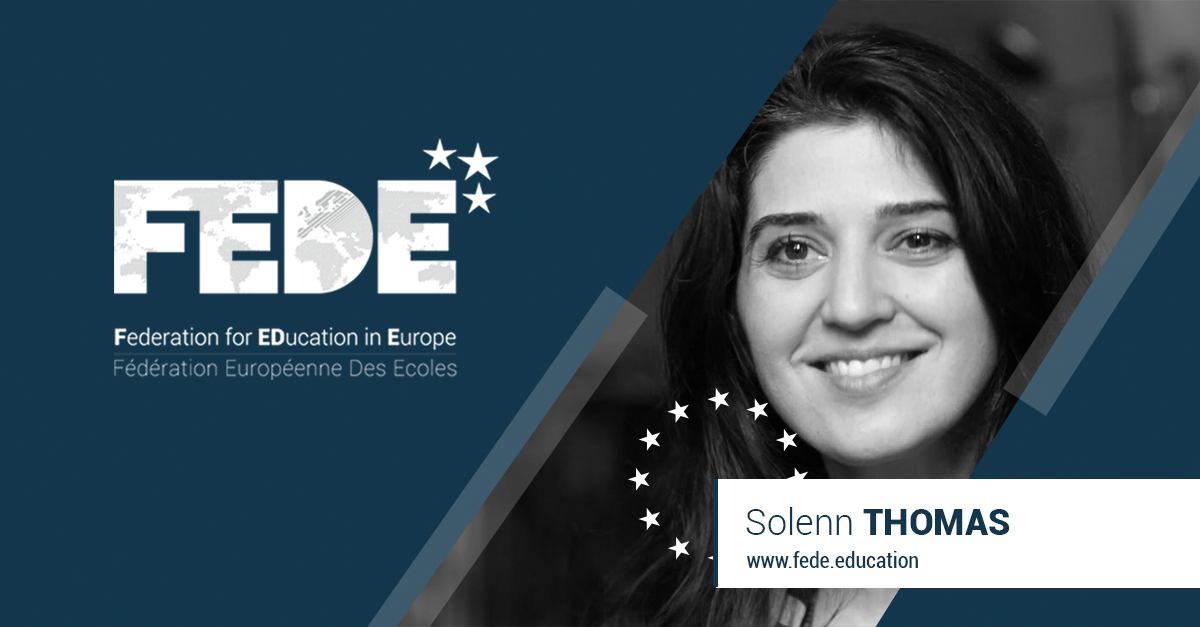
Solenn Thomas is a managerial staff recruitment consultant at Alexander Hughes. Her job? To headhunt exceptional, high-potential professionals. She is also founder of the Eklore Festival, which brought together 1000 innovative entrepreneurs at the Paris City Hall last year.
What did you study and what have been the highlights of your career?
I’m a graduate of the Ecole de commerce de Clermont (2004). I also have a bachelor’s in philosophy (Aix-en-Provence, 2003). I’m currently a member of the course committee for the professional master’s in philosophy (Paris Panthéon-Sorbonne University). And since 2006 I’ve been a recruitment consultant at Alexander Hughes, specialising in headhunting strategic French and European managerial staff.
So you’re active both in France and abroad?
Yes. I help large corporations recruit experts and strategists – particularly exceptional, high-potential staff who can provide companies and institutions with fresh, smart approaches. I particularly like to recruit people who are aware of the human aspects of their work.
You also founded the Eklore Festival, which aims to bring together exceptionally innovative managers …
Yes. The festival was held for the fourth time in 2018 at the Paris City Hall, bringing together over 1000 managers and entrepreneurs. The participants share a desire to emphasise human concerns, which they attempt to reconcile with the economic ambitions of their businesses and organisations. Such an attitude shapes their relationship to innovation: they take on the challenges of making the workplace more human.
Which challenges exactly?
There are five: making work more meaningful for young people; innovating by paying attention to neurodiversity; changing attitudes to power by recognising the contribution of women; recognising that disabilities do not prevent performance; and managing egos – both our own and that of our colleagues.